

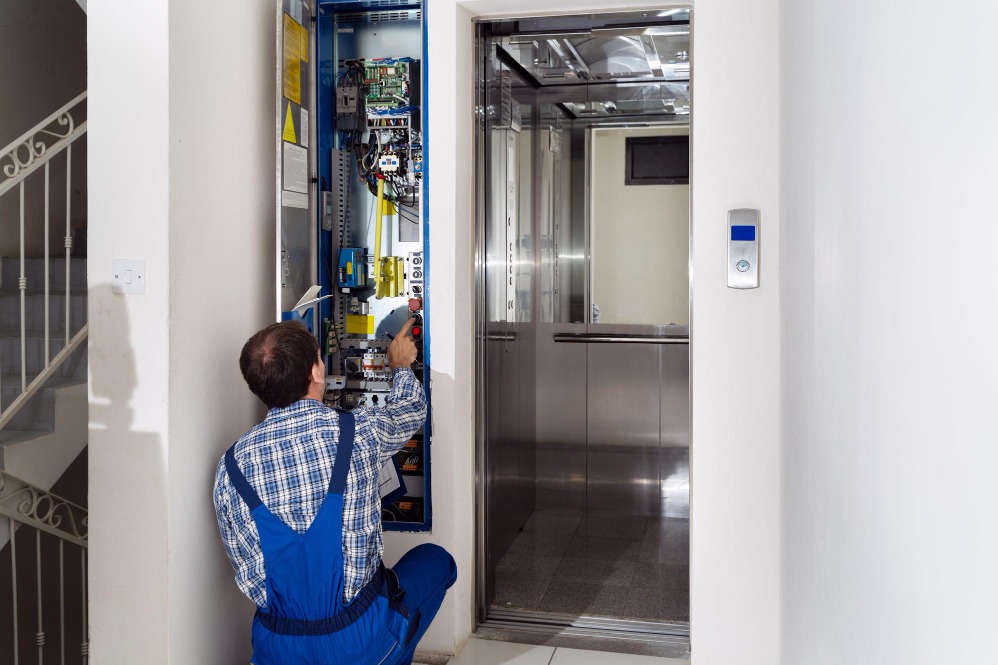
Elevators are expected to work smoothly every day, often through hundreds of trips across multiple floors. When maintenance is delayed, small mechanical or electrical issues can gradually develop into problems that affect reliability, passenger comfort, and safety. This makes Elevator Maintenance an important part of managing any lift-equipped property.
For property owners, builders, facility managers, hotels, hospitals, offices, and residential societies in Gurugram, Haryana, preventive maintenance can also reduce the disruption caused by unexpected lift downtime.
What Happens During Elevator Maintenance
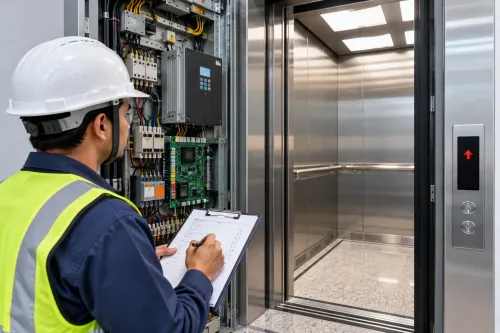
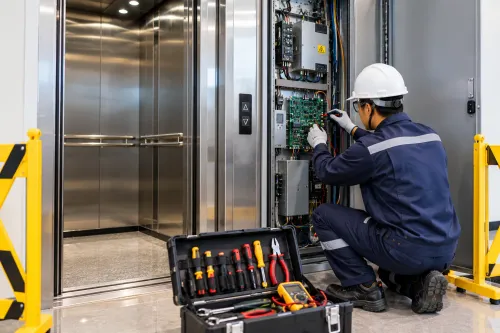
Elevator maintenance involves much more than checking whether the lift moves between floors. A trained technician typically examines multiple components that influence operation and safety.
Depending on the elevator design, maintenance may include checking:
- Door opening and closing mechanisms
- Control panels and electrical connections
- Safety switches and sensors
- Levelling accuracy
- Braking systems
- Guide rails and moving components
- Emergency communication systems
- Machine-room equipment where applicable
Routine inspections can reveal unusual wear, loose connections, abnormal sounds, slow door movement, and other early warning signs.
Why Preventive Maintenance Matters
Many elevator failures do not occur without warning. Components may show gradual deterioration before a complete breakdown occurs.
For example, passengers may notice jerky movement, delayed doors, inaccurate floor levelling, unusual vibration, or intermittent control-panel problems.
Addressing these symptoms during scheduled maintenance may prevent them from becoming more serious.
Maintenance Can Support Consistent Performance
A well-maintained elevator should provide predictable operation during normal usage. This is particularly important in commercial buildings, hospitals, hotels, and high-occupancy residential properties where lifts may operate throughout the day.
Regular servicing can help maintain:
- Smooth acceleration and stopping
- Reliable door operation
- Accurate floor positioning
- Responsive controls
- Consistent ride quality
- Proper operation of safety components
The appropriate maintenance frequency depends on elevator type, age, usage intensity, operating environment, and manufacturer recommendations.
High-Usage Buildings Need Additional Attention
An elevator in a small residential building may experience very different operating conditions from one installed in a shopping complex, hospital, corporate office, warehouse, or hotel.
Properties with frequent passenger movement may require closer monitoring because components undergo more operating cycles.
Gurugram has a large concentration of commercial developments, residential complexes, hotels, corporate facilities, and mixed-use properties. Facility managers should therefore consider actual lift usage rather than relying solely on a generic servicing schedule.
Keep Maintenance Records Organized
Maintenance documentation can help property managers understand the elevator's service history.
Records should ideally capture inspection dates, reported faults, replaced components, repair observations, and recurring issues. If the same problem appears repeatedly, technicians can investigate the underlying cause rather than repeatedly addressing only the symptom.
Companies such as X Pro Elevators may support property owners with structured servicing based on elevator condition and usage requirements.
Pay Attention Between Scheduled Visits
Maintenance should not mean ignoring the elevator until the next technician visit.
Building teams should report unusual behaviour promptly, especially repeated door failures, abnormal sounds, sudden stopping, inconsistent levelling, warning indicators, or noticeable changes in ride quality.
Early reporting gives technicians more information and can help prevent avoidable downtime.
A dependable maintenance approach combines scheduled inspections, accurate records, timely fault reporting, and attention to how the elevator actually performs each day. For properties across Gurugram and the wider Haryana region, this approach can support safer, smoother, and more reliable vertical transportation.