
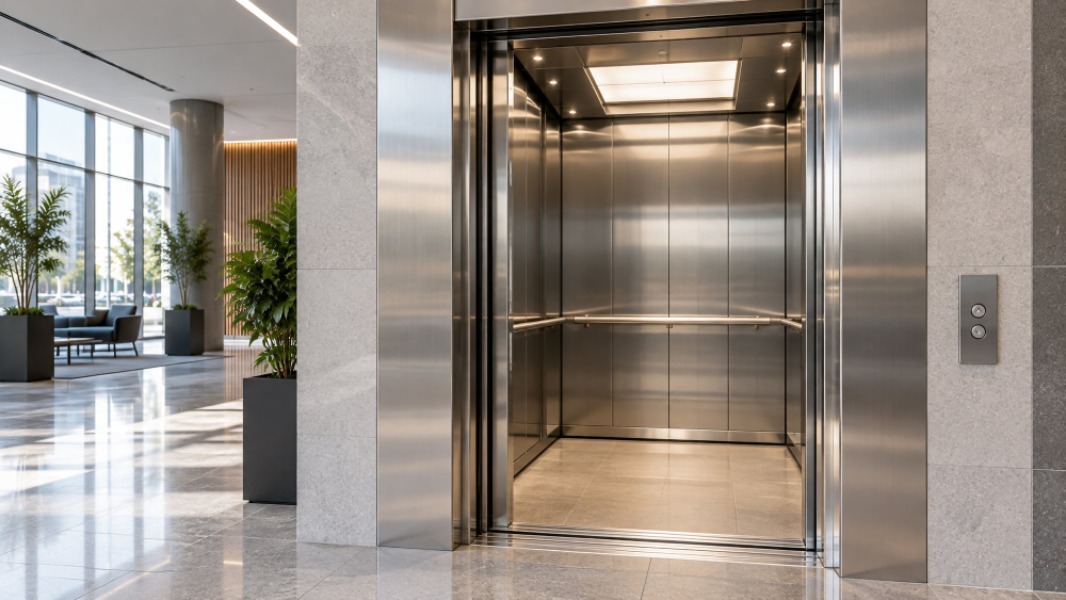
Commercial elevators often operate under demanding conditions. Office buildings may experience concentrated traffic during working hours, hotels deal with guests and luggage, shopping centres handle continuous passenger movement, and hospitals can depend on elevators for critical internal transportation.
Because of these operating conditions, Commercial Elevator Maintenance should be planned around usage rather than treated as an occasional servicing activity.
This is particularly relevant in Gurugram, Haryana, where commercial towers, hotels, healthcare facilities, malls, and mixed-use developments create diverse elevator-maintenance requirements.
Commercial Usage Creates Different Maintenance Demands
A heavily used commercial elevator may complete far more operating cycles than a lift in a small residential property.
Higher usage can increase attention required for:
- Door mechanisms
- Buttons and control interfaces
- Levelling systems
- Moving components
- Electrical connections
- Sensors
- Indicators
- Ride performance
Maintenance planning should consider operating intensity alongside equipment age.
Preventive Visits Should Be Structured
Commercial maintenance should involve systematic inspection rather than simply responding when faults occur.
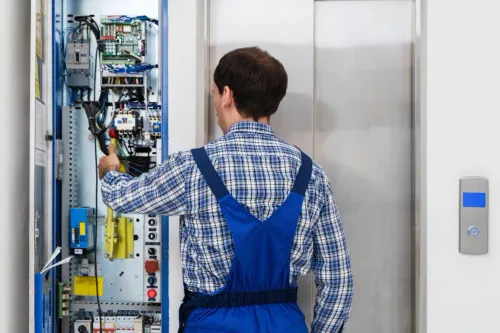
Technicians may need to review operating behaviour, doors, controls, safety components, levelling, electrical systems, mechanical condition, and other equipment relevant to the particular elevator.
Observations should be documented so developing issues can be tracked.
Downtime Has a Business Impact
A lift failure in a commercial building can affect much more than passenger convenience.
It may influence:
- Employee movement
- Visitor experience
- Accessibility
- Hotel operations
- Patient movement
- Deliveries
- Facility-management workloads
- Tenant satisfaction
This makes reliability an operational consideration as well as a maintenance concern.
Response Planning Is Important
Commercial properties should understand what happens when a lift fails.
Facility managers need clear reporting procedures, escalation contacts, emergency arrangements, and access to relevant service records.
Internal teams should also know when an elevator should be removed from operation pending professional inspection.
Repeated Faults Need Root-Cause Investigation
Repairing the same symptom repeatedly can hide a broader issue.
If doors repeatedly fail, controls behave inconsistently, levelling deteriorates, or the lift experiences recurring shutdowns, the maintenance provider should investigate why.
The solution may involve adjustment, component replacement, system repair, or modernization assessment depending on the equipment.
Maintenance Data Can Support Better Decisions
Records provide valuable information about equipment performance.
Property managers can track fault frequency, recurring components, downtime patterns, maintenance recommendations, and repair costs. Over time, this information can support budgeting and decisions about upgrades.
X Pro Elevators can support commercial property teams seeking structured elevator servicing and technical assistance in Gurugram.
Match Maintenance to the Property
There is no single maintenance plan suitable for every commercial building.
A corporate office, hospital, hotel, shopping mall, warehouse, and industrial facility may each have different operating priorities.
The maintenance programme should reflect passenger volume, equipment type, operating hours, building function, elevator age, and business continuity requirements.
Commercial elevator reliability is best managed proactively. Structured preventive maintenance, good records, responsive fault handling, and timely technical decisions can help businesses reduce disruption while maintaining dependable vertical transportation.