
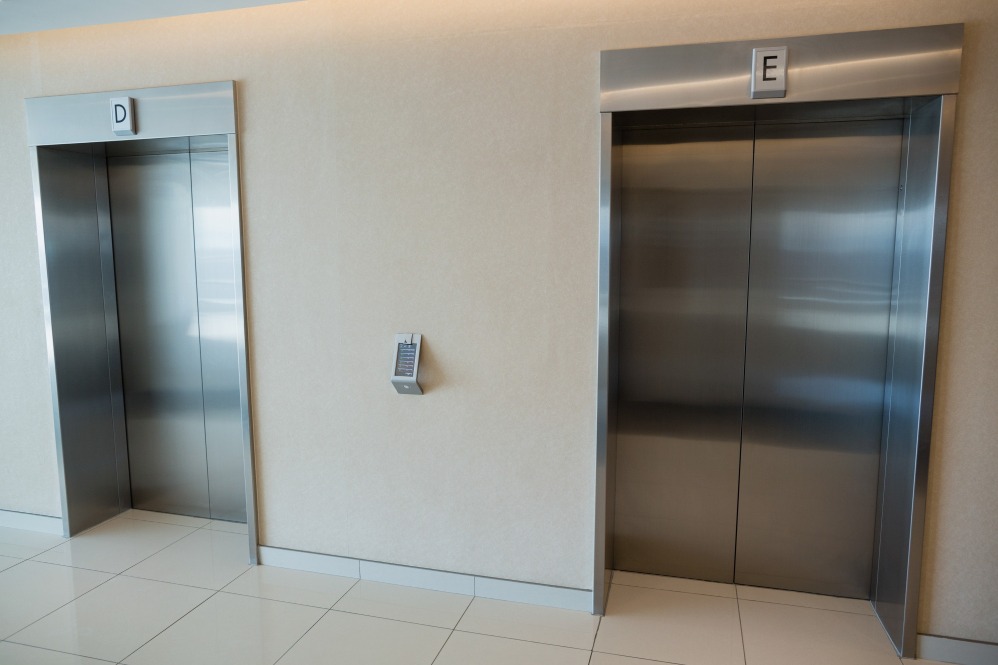
A New Elevator Installation affects building design, accessibility, passenger movement, electrical planning, and long-term maintenance. Decisions made during the early stages can therefore influence elevator performance for years.
In fast-growing construction markets such as Gurugram, Haryana, builders and developers can avoid many problems by involving elevator planning before structural and finishing work becomes difficult to change.
Choosing Capacity Without Studying Usage
One common mistake is selecting elevator capacity based only on the number of floors.
Building occupancy and traffic patterns matter just as much.
A small residential property, corporate building, hospital, hotel, and shopping complex can have completely different passenger-flow requirements despite having similar heights.
Capacity should therefore reflect expected usage.
Finalizing the Shaft Too Early
Elevator dimensions should be coordinated with the actual equipment requirements.
Incorrect assumptions about shaft dimensions, pit depth, overhead space, entrances, or associated structural requirements can create redesign work later.
Early coordination between architects, structural teams, builders, and elevator specialists helps reduce these conflicts.
Focusing Only on Cabin Appearance
Cabin finishes influence aesthetics, but they should not dominate technical planning.
Performance, capacity, accessibility, controls, door configuration, maintenance access, safety systems, and reliability deserve attention before decorative decisions.
A visually attractive lift that does not suit building traffic can become an operational problem.
Ignoring Future Building Use
Developers should consider whether occupancy could increase after the building becomes operational.
A commercial property may attract more tenants. A hotel may expand. A healthcare facility may experience changing traffic requirements.
Planning only for minimum present-day demand can limit future flexibility.
Leaving Electrical Coordination Until Late
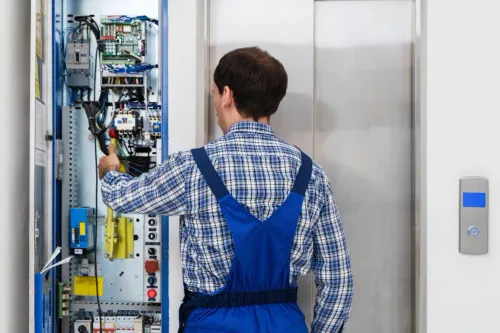
Elevators need appropriate electrical planning.
Power requirements, backup arrangements where applicable, control requirements, earthing, and associated electrical infrastructure should be coordinated with relevant project teams.
Late changes can affect both project timelines and costs.
Forgetting Maintenance Requirements
Every new elevator eventually becomes an elevator that needs maintenance.
Technical access, serviceability, component availability, and maintenance planning should therefore be considered during equipment selection.
An installation that is difficult to service can create avoidable challenges later.
Selecting a Provider Only by Initial Price
Price matters, but installation quality and long-term support matter too.
Before appointing a provider, assess:
- Technical suitability of the proposed elevator
- Installation experience
- Safety approach
- Project coordination
- Maintenance support
- Documentation
- After-installation service capability
Companies such as X Pro Elevators can be assessed on these factors when planning lift projects in Gurugram.
Build Coordination Into the Project Schedule
Elevator installation interacts with civil, structural, electrical, finishing, and access-related work.
Clear responsibility between teams reduces confusion and prevents avoidable delays.
A successful installation begins well before equipment reaches the site. When capacity, dimensions, traffic, electrical requirements, serviceability, and future usage are considered early, the elevator is more likely to become an integrated part of the building rather than a late-stage construction complication.